About the island
The island of flowers — 5.8 km² of Mediterranean vegetation, gentle coves and traces of three millennia.
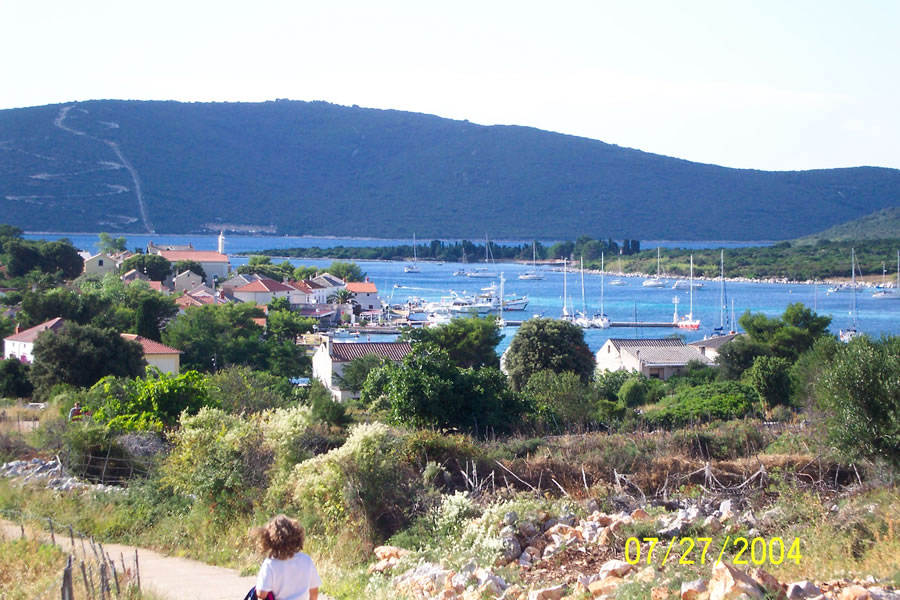
The islands of Ilovik and Sveti Petar extend from the southern tip of Lošinj, separated from it by the Ilovik Gate. Ilovik (44°28′N, 14°33′E), home to its single village of the same name, covers 5.8 km² with a coastline of 15.4 km. Its shores are easily reached from every side, dotted with gentle coves. The largest, Paržine, with its sandy beach, lies on the south-eastern side.
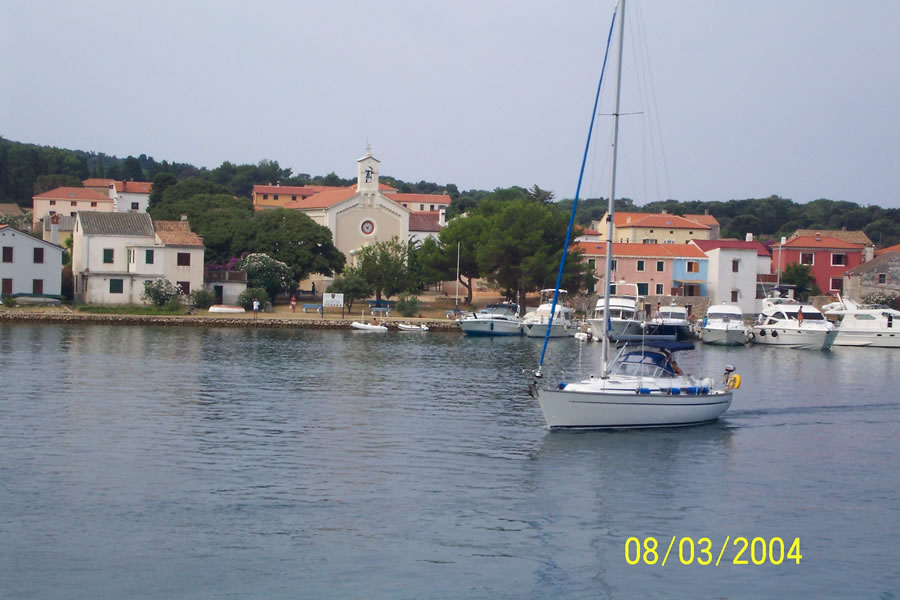
Between the two islands runs a channel 2.5 km long and about 300 m wide. Naturally sheltered from every wind but the south, it offers safe mooring for yachts and smaller boats. Lying on the border between the northern and central Adriatic, it makes an ideal overnight stop — within a few hours you can reach Istria, Krk, Rab, Pag, the Kornati and other central-Dalmatian destinations.
The village has a shop, a post office, a bakery, a patisserie and several fine restaurants. A daily ferry links Ilovik to Lošinj across Mrtvaška bay, and a fast catamaran connects it to Rijeka; through the summer, excursion boats run from Mali and Veli Lošinj.
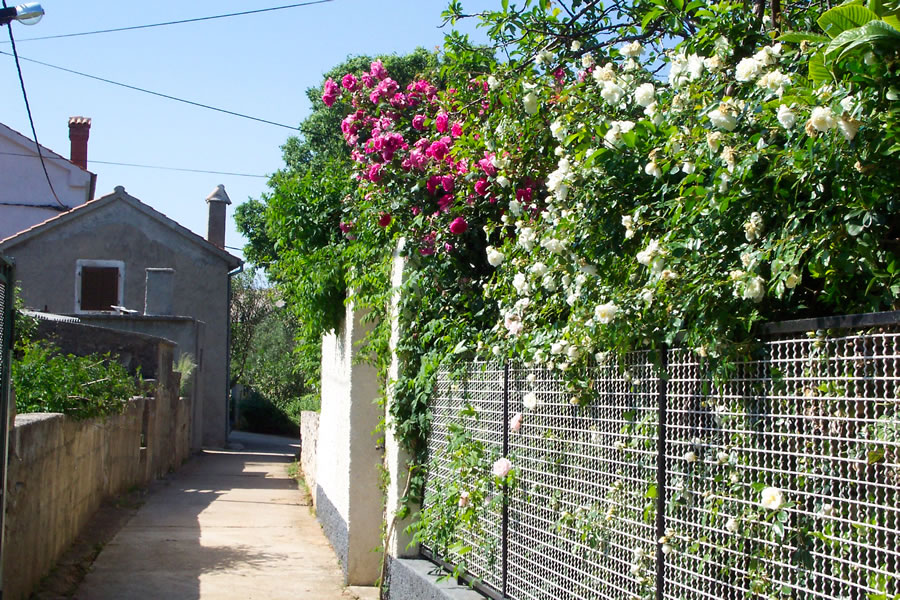
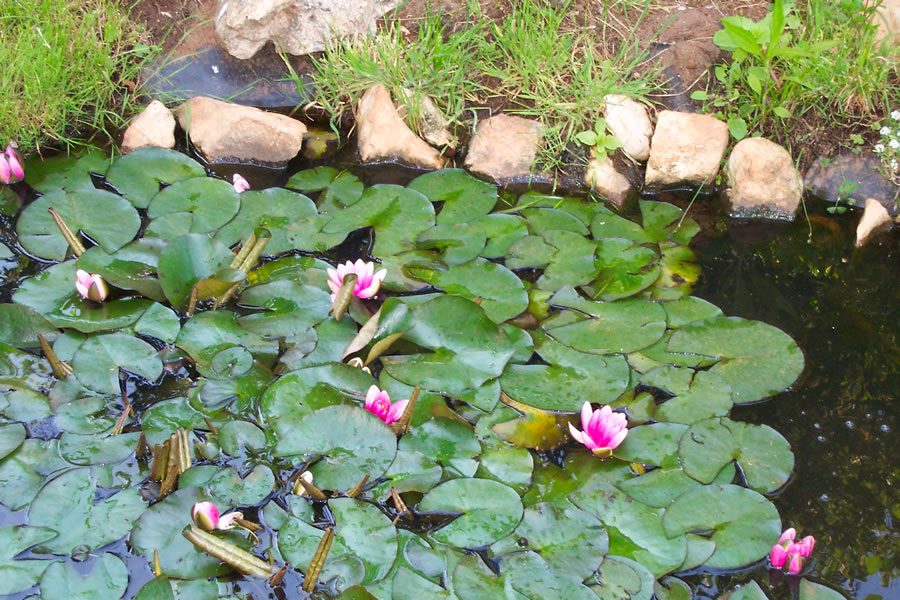
The islands are covered in Mediterranean vegetation — everywhere you meet flowers, colourful oleanders, palms and two century-old eucalyptus trees, which is why Ilovik is so often called the Island of Flowers.
Thanks to its excellent maritime position, the Ilovik channel has been used for anchorage since ancient times, and the islands bear the traces of many historical periods. The oldest settlements date to the Illyrian tribe of the Liburni. The islands are rich in Roman finds — remnants of walls, coins, a sarcophagus, and a nearby underwater archaeological site.
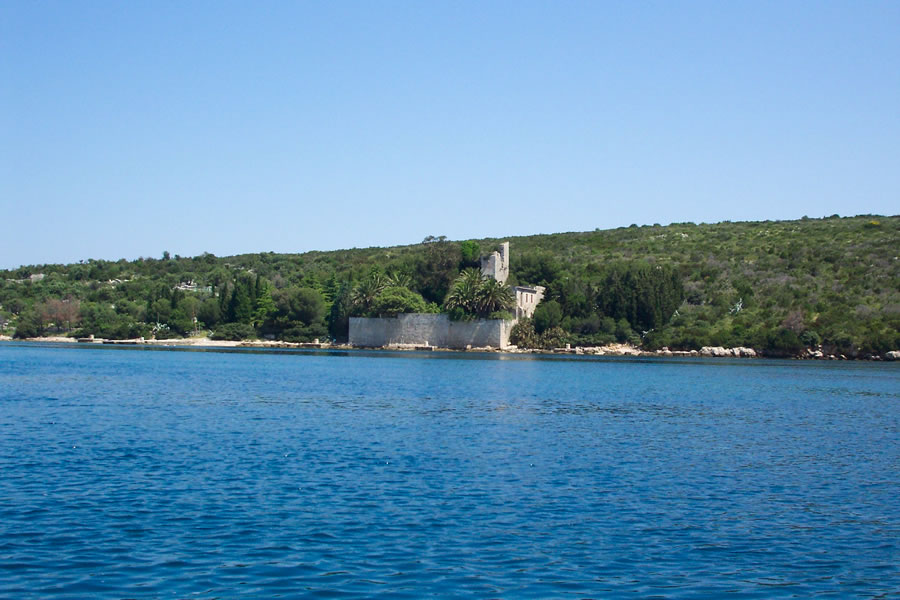
The walls enclosing today's cemetery date from the 11th century, when a Benedictine monastery stood here, probably preceded by a Byzantine fort. Curiously, the Ilovik cemetery lies on the neighbouring uninhabited island, so the islanders are, even in death, condemned to a journey by boat. The surviving fortress walls were built by the Venetians in 1600 under Proveditor Filippo Pasqualigo, as a defence against the Uskoks.
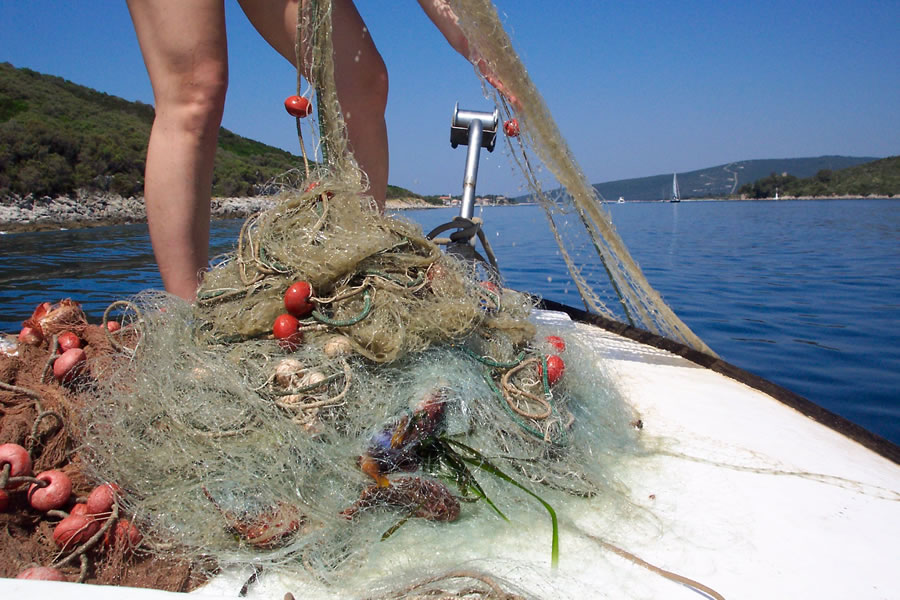
The first Croatian settlers arrived in the late 18th century from Veli Lošinj, and from then the present village of Ilovik grew. The island's oldest recorded name, from 1071, is Neumae Insulae; in the 13th century it appears as Sanctus Petrus de Nimbis, later San Pietro dei Nembi. Today Ilovik counts around 90 inhabitants, living mainly from fishing, sheep-farming, agriculture and tourism — and, remarkably, three times as many Ilovik natives live in the USA as on the island itself.
Gallery